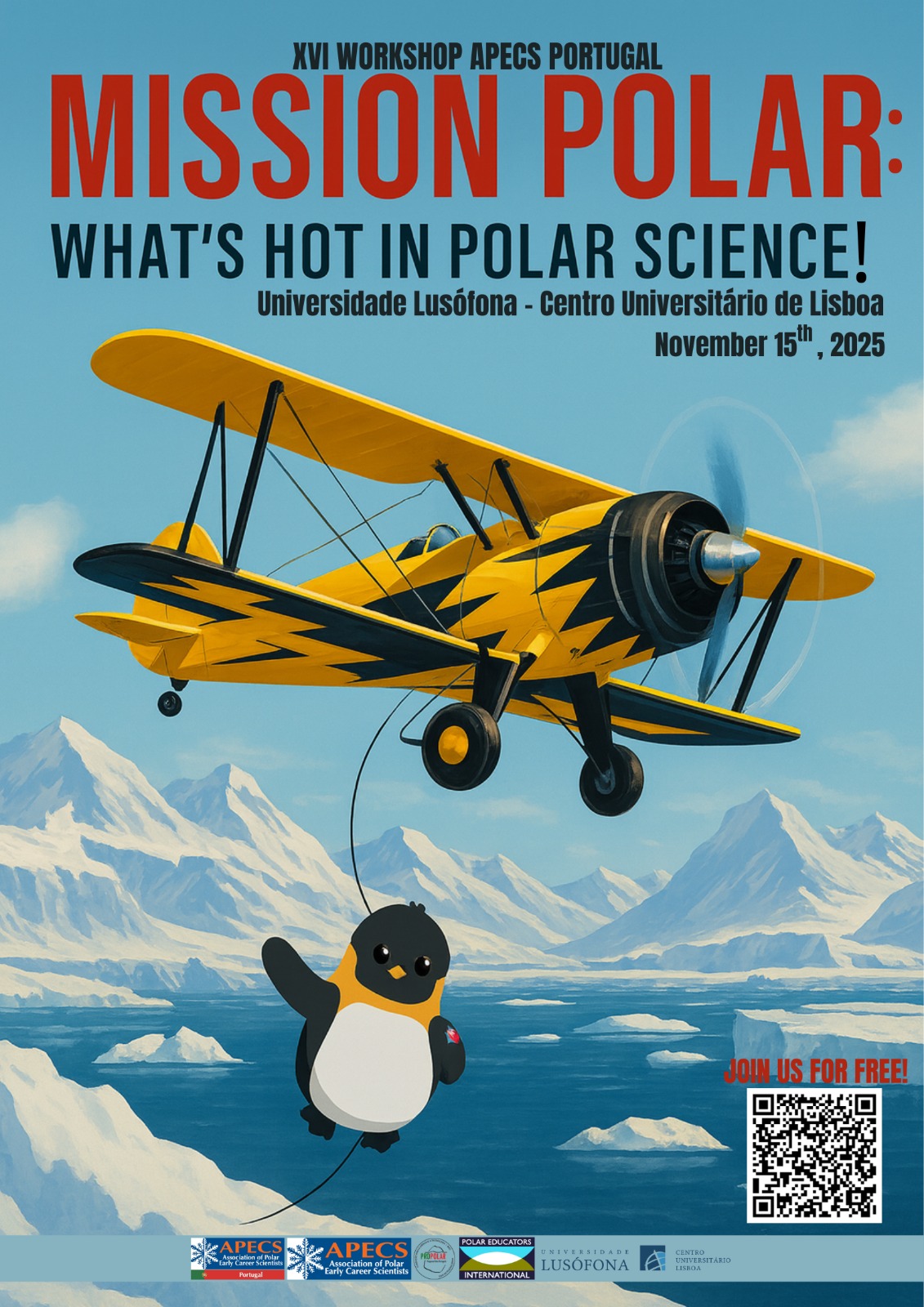
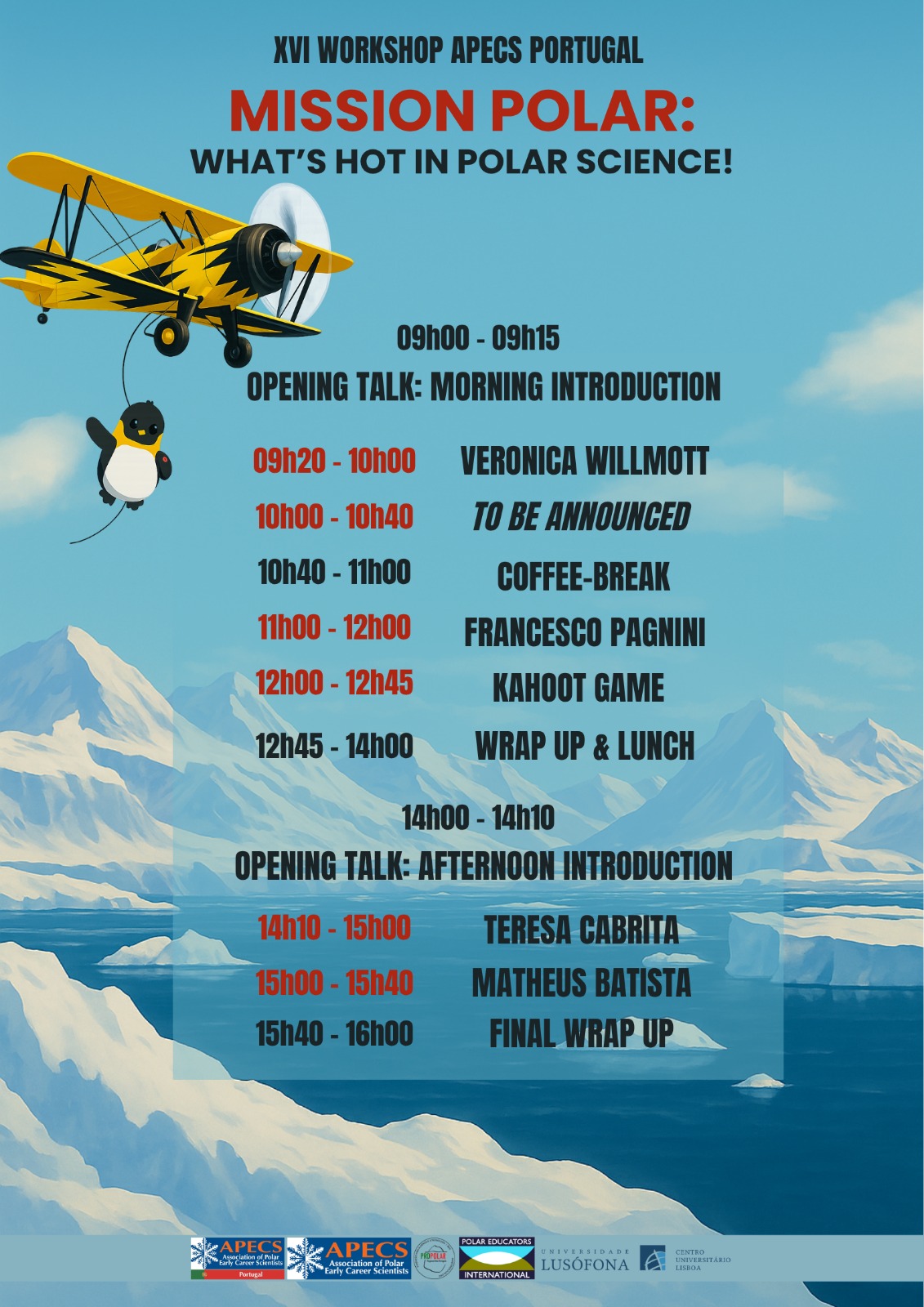
It is with great pride that we present the 15th edition of the APECS Portugal Workshop: “The Polar Express to Success: Enhancing ECRs’ Writing Skills”. The workshop will take place on 🗓️ November 15, 2025, at 📌 Centro Universitário de Lisboa, Lusófona University.
This year we will address the importance of initiatives to prepare for the upcoming International Polar Year, as well as reflect on the future of polar science and areas of greatest interest to young scientists.
Don’t miss this opportunity to extend your network, meet colleagues and scientists, and learn new tools for your future.
Opening Doors to the Polar Regions: The EU Project POLARIN and Opportunities for Early-Career Scientists
Dr. Verónica Willmott is a Science Officer in the International Cooperation Unit at the Alfred Wegener Institute, Helmholtz Centre for Polar and Marine Research (Germany), where she manages the EU-funded project POLARIN. With a background in polar marine geology and over 15 years of experience in international research cooperation, she works at the interface between science, policy, and research infrastructure coordination. Her work focuses on building and coordinating networks that facilitate access to polar research infrastructures and on promoting collaboration across disciplines and regions to advance polar science.
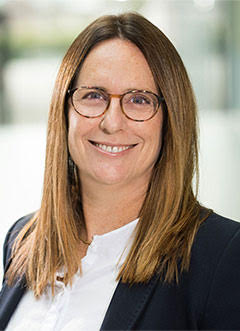
Irina Gorodetskaya
Early-Career Scientists in the Antarctica InSync – Antarctica International Science & Infrastructure for Synchronous Observation
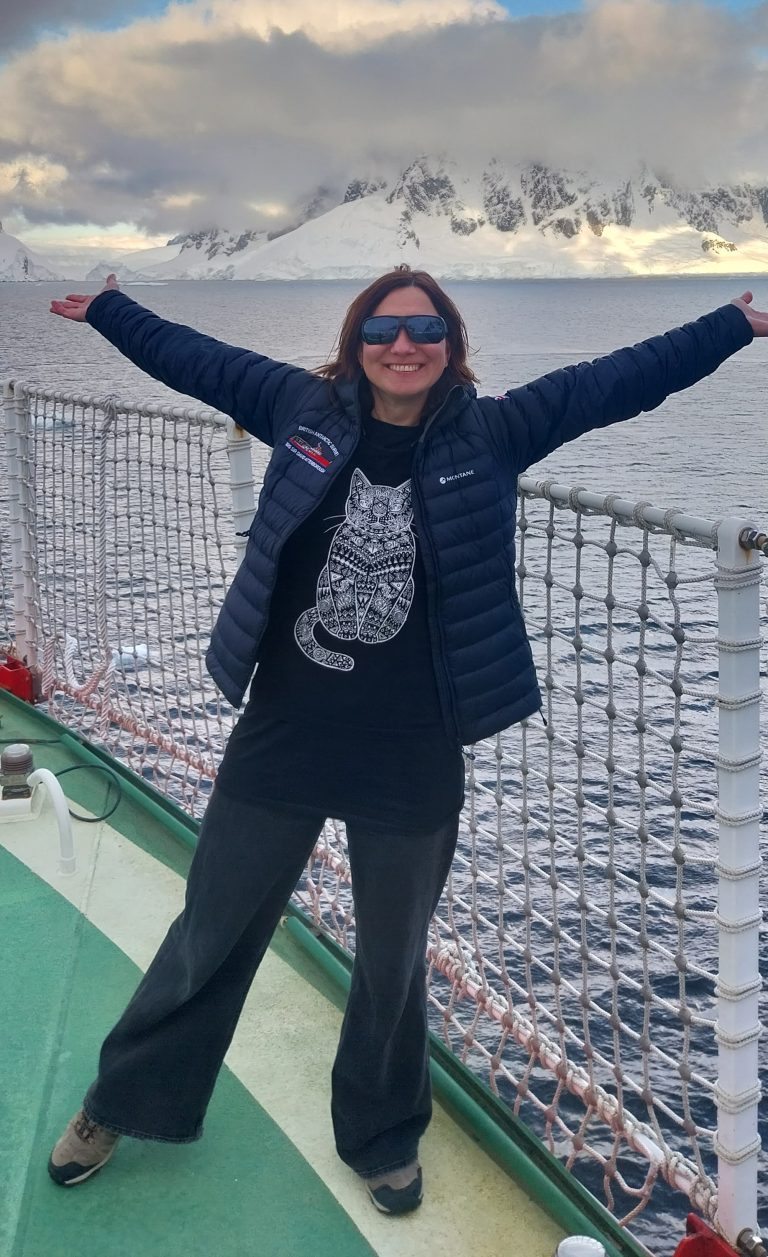
Irina Gorodetskaya is a polar meteorologist and climate scientist who investigates extreme weather events and interactions between the atmosphere, oceans, and cryosphere in polar regions. She holds a PhD in Atmospheric Sciences from Columbia University (USA) and has worked in France, Belgium, and Portugal. Currently, she is a Principal Investigator at the Interdisciplinary Centre of Marine and Environmental Research (CIIMAR) of the University of Porto. She has taken part in expeditions to the Arctic, Antarctica, and the Southern Ocean, leading measurement projects on the Antarctic Peninsula focused on atmospheric rivers and their impacts. She contributes to international initiatives such as the WMO Polar Prediction Project, the Year of Polar Prediction (YOPP), and AntClimNow (SCAR). Irina is part of the Scientific and National Coordination of Antarctica InSync and brings science to society as a Lead Author of the IPCC Sixth Assessment Report, as well as an invited speaker and delegate at the United Nations Climate Change Conferences.
Francesco Pagnini
Stress management in extreme environments
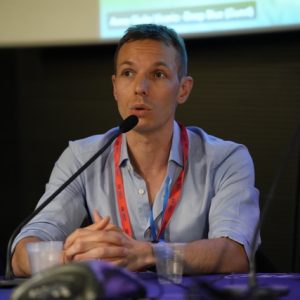
Francesco Pagnini, Psy.D., Ph.D., is a Professor of Clinical Psychology at the Università Cattolica del Sacro Cuore. As a psychologist, psychotherapist, and Ph.D. in Clinical Psychology, I have spent twelve years as a researcher at the Department of Psychology at Harvard University (USA). I have also been a Visiting Professor at the Karolinska Institutet (Sweden) and the University of Cambridge (UK), and I currently serve as the Research Director at the Langer Mindfulness Institute (USA). My research interests focus on the mind-body relationship and the application of mindfulness concepts. Beyond clinical and health research in Italy, the USA, and several other countries, I collaborate with the European Space Agency, the Italian Space Agency, and NASA on applying my research to deep space exploration. I have authored over 150 international scientific publications.
Teresa Cabrita
From Polar Strategy to Action – How to Empower the Next Generation of Portuguese Polar Scientists
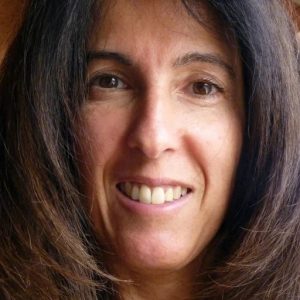
Maria Teresa Cabrita holds a PhD in Biology, speciality Ecology and Biosistematics from University of Lisbon, and in Sciences de l’Environnement Marin from Université de la Méditerranée (France) She is the Executive Director of the Portuguese Polar Program (PROPOLAR) since 2015. As Researcher at Centre for Geographical Studies (CEG), her main research areas are Phytoplankton Ecology and Ecophysiology and Marine Pollution. She teaches Landscape Ecology, Science Communication and Environment in Europe. She is the national representative at Council of Managers of National Antarctic Programs (COMNAP) since 2016, and at Forum of Arctic Research Operators (FARO). She has been participating in international and national research projects focused on the Portuguese coastal area and on the Arctic and the Antarctic, and in international projects, such as EUPOLARNET 1 and 2, and POLARIN. She actively participates in several Education and Outreach activities.
Matheus Batista
How Science Communication Opens Doors in Polar Research
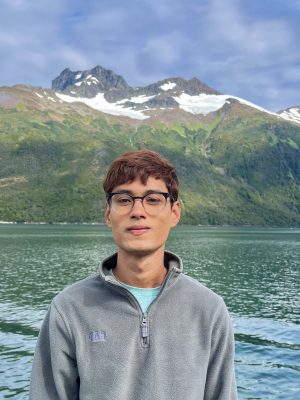
Matheus Batista is an oceanographer with a master’s degree in Oceanography and is currently a PhD student at the Federal University of Rio Grande (FURG), Brazil. His research focuses on CO2 fluxes, the marine carbonate system, nutrient dynamics, and the phytoplankton community across different marine environments, including estuaries, tropical regions, and Antarctica. In addition to his scientific research, Matheus is actively involved in science communication as a member of MARES project, an outreach initiative dedicated to promoting knowledge about the oceans and Antarctica. The project develops activities across multiple fronts, such as social media, educational events, and the creation of guides and illustrative materials, with the goal of bringing ocean science closer to society and raising awareness of the importance of the oceans and Antarctica for the planet.
This website uses cookies to provide a better user experience. By browsing the site, you consent to its use.