Microplastics in the Arctic?
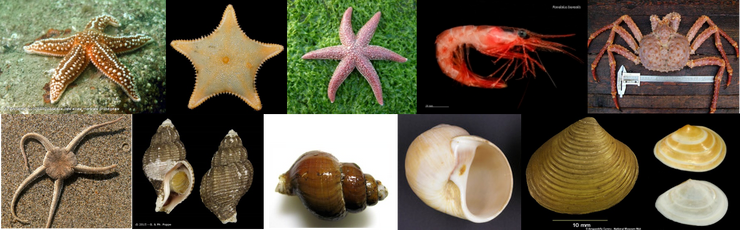
The benthic ecosystems are a natural deposit site for a huge variety of potentially pollutant compounds such as heavy metals and plastic. In marine ecosystems, the vast majority of plastics…
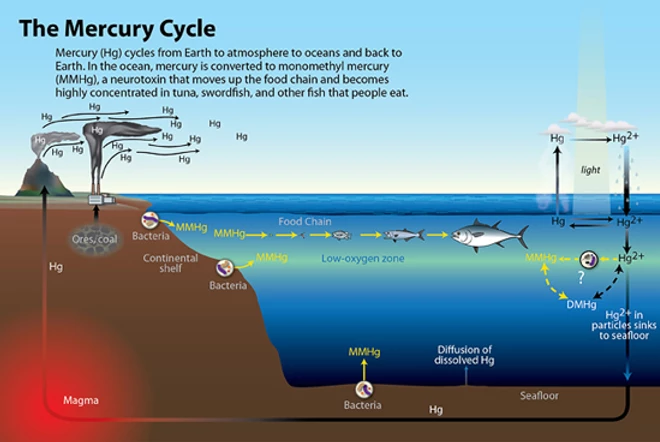
Mercury is a toxic element for animals and its increasing concentration in the world’s ocean as been acknowledged as a global issue. Though the Southern Ocean presents overall high mercury levels,…
Mercury is one of the most hazardous elements all over the world. During centuries, mercury was used on medicine, as preservative and anti-bacterial agent, and also largely used in industry.…
Some metals, as iron, zinc, manganese and cobalt, that are present in extreme low concentrations in the oceans, possess important biological functions, acting like vitamins in the Human body. These…
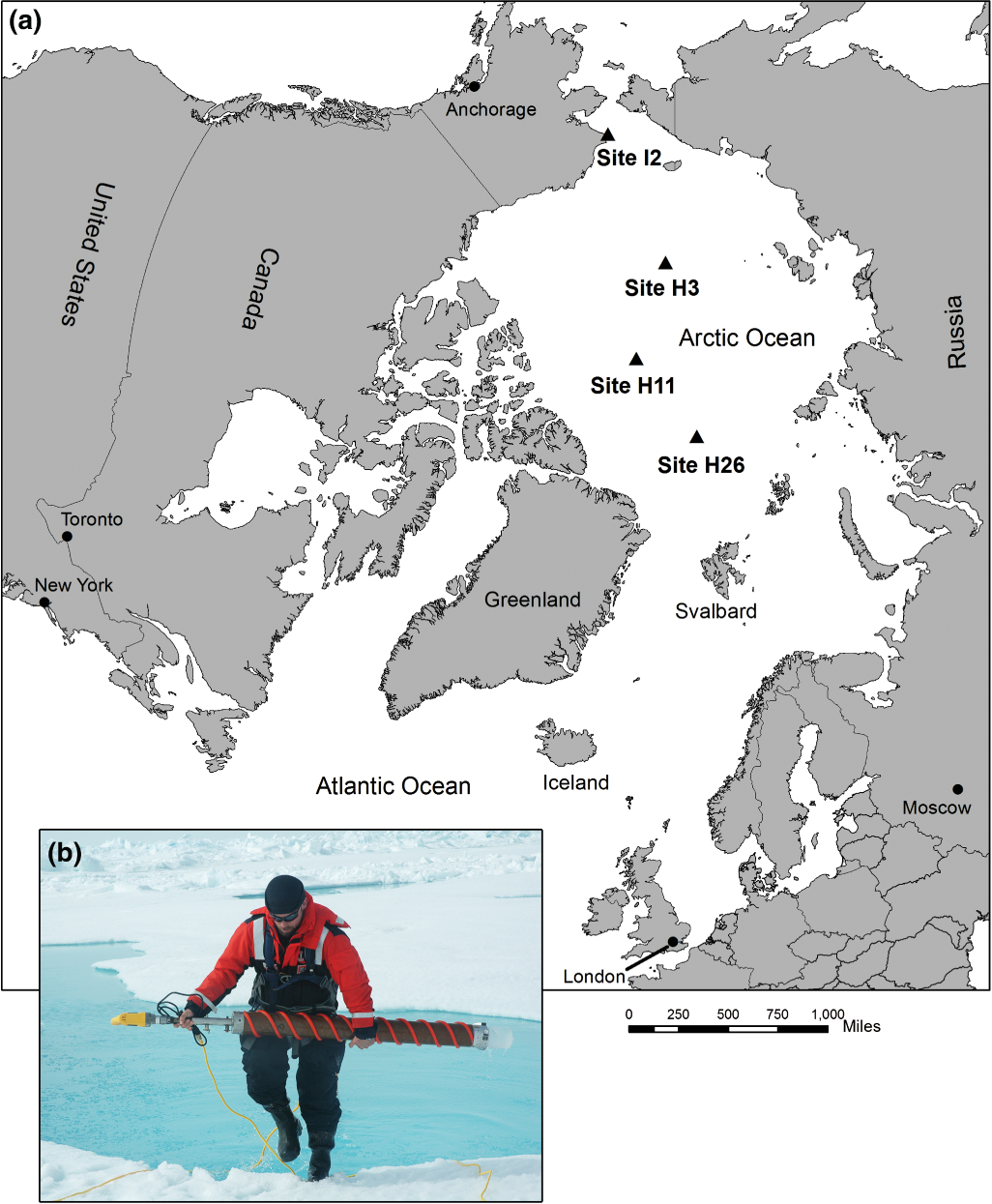
When sea ice forms, eliminates and concentrates particles from the water column, staying retained in the ice until it melts. Small plastics fragments (<5mm of diamenter), known as “microplastics” are…
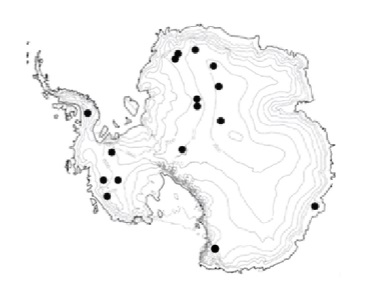
Antarctica is an isolated continent but due to the global atmospheric circulation, it keeps a record of the evolution of the terrestrial paleoclimate [1] written in its ice layers. Contaminants…