‘Zombie’ fires in the Arctic during Spring-Summer 2020
The forest fires in the Arctic are not a novelty, however, the 2020 fire season started two months earlier and more severely than usual. Despite the expected increase in the…
In the present era, the impact and threats to nature and biodiversity of human origin is constantly increasing. (The 2020 report released by WWF points to a 68% loss of…
Whale hunting led many whale species close to extinction. Although the majority of the Southern whale populations are slowly recovering, the effects of climate change is still unknown. A research…
The presence of plastics in polar regions has been recognised by several international research teams. Besides its presence in sediments, seawater and sea ice in the Artic and Antarctica, the…
Recent news show evidence that the global state of public health emergency associated with COVID 19 may have contributed to a decrease in air pollution. Satellite images from India, China,…
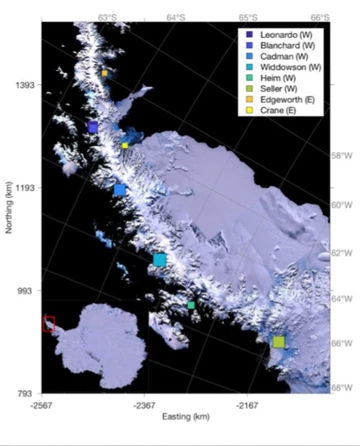
Many glaciers and ice shelves along the Antarctic Peninsula have been thinning and retreating leading to collapses, and consequently increasing ice discharge to the ocean. Some authors suggest that the…
Although Antarctica is the most remote region on Earth, it is intimately coupled to the rest of the climate system. Thus, the future of Antarctica is tied to that of…
Climate change is a major problem influencing several atmospheric and oceanic climate processes leading to climate warming, already affecting the abundance and distribution of wildlife around the world. The Antarctic…
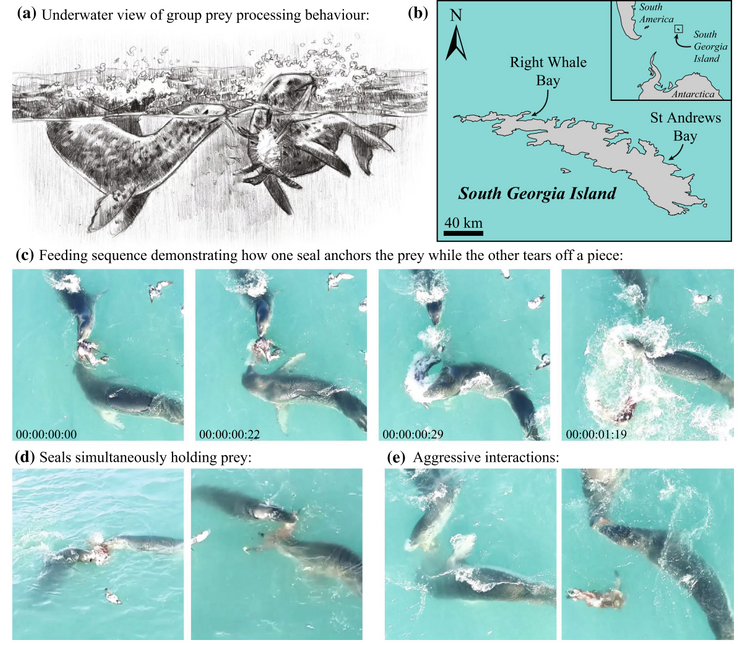
Leopard seals (Hydrurga leptonyx) are predators that feed on penguins, fish, squid and crustaceans in Antarctic waters. This predator is known to be solitary, i.e. hunts alone and many times…
In just 1 gram of soil we can find the equivalent of 100 million bacteria. Globally much of this bacterial diversity is still poorly known and in extreme environments such…